Port O’Connor Fishing Report by Capt. Bob Hill

Archived in the category: Fishing Reports
Posted by Joyce Rhyne on 13 Sep 12 - 2 Comments

We are beginning to see some signs of Fall along the Coastal Bend and the fishing is beginning to show some real improvement. We have a front moving through the area as I write this report and the air temperature this morning is about 76 The water temperature is about 77 degrees. This trend should continue throughout September and the fishing will just keep getting better.

Waders are doing well over most of the bay system. From the Colorado River to Panther Point the South shorelines have been producing limits of trout for croaker soakers. The surf has been accessible on a few occasions and it has been full of trout. The best action I have seen has been on the South Shoreline of Matagorda Bay. Most of the Reds are on the grassy shorelines. Artificials have been good for both trout and reds.

I haven’t been to the Lakes for a few weeks and I haven’t talked to anyone that has been back there lately. The tides have been pretty high most days.

The Jetties are really hot right now. Reds, both slots and bulls, are pretty plentiful along with lots of Drum in the 20 – 25 inch range. Live or fresh dead shrimp have been the bait of choice. Trout have been showing up out there when the water is clear and lots of Tarpon are rolling around the ends of both jetties. Some Kings were brought in just before the front moved through.

This is really shaping up to be a great Fall season. Lets just keep our fingers crossed and hope Mother Nature cooperates.

Capt. Bob Hill
Port O’Connor Charters
(281) 984-0015
www.fishportoconnor.com


Port O’Connor Annual CCA BANQUET

Archived in the category: Announcements, Events, Fishing Reports
Posted by Joyce Rhyne on 13 Sep 12 - 0 Comments

Port O’Connor Annual CCA BANQUET

Saturday, October 20, 2012

Port O’Connor Community Center

6:00 p.m.

$50 Each – Includes Annual CCA Membership, Meal, Drinks, Door Prizes, Silent Auction & Live Auction

Special Sponsor Tables: Redfish ($550) and Trout ($400)

Tickets can be purchased from Port O’Connor CCA Members, and at Coastal Bend Marine, 1808 West Adams, Port O’Connor Rods at 82 Byer, Sonny’s Marine at 2409 West Adams, and POC Rentals at 2244 West Adams

Get your tickets now, before they’re sold out!

A Good Retrieve – Guide Lines by Capt. Chris Martin

Archived in the category: Fishing Reports
Posted by Joyce Rhyne on 13 Sep 12 - 0 Comments

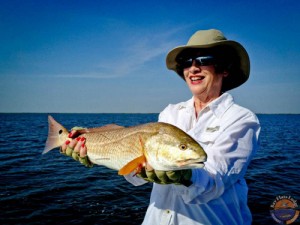
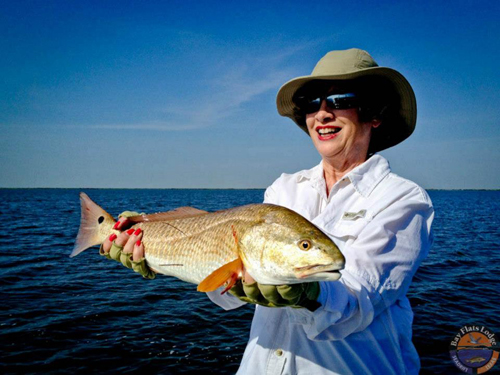
Diane McDonald, wife of wildlife artist Les McDonald, enjoyed landing excellent catches of reds while visiting Bay Flats Lodge and fishing with Captain Harold Dworazyk, August 2012, back lakes with live bait.

Two days last week gave us slight winds out of the north as a result of one of this year’s first cool fronts. Granted, the drop in temperature wasn’t significant enough to mention, but the change in wind direction did offer us an opportunity to fish one of those shorelines that normally gets pounded by southerly winds most of the time. This particular shoreline stretches from east to west, and it is exposed to the open bay system on its south side. When walking away from the bank towards deeper water, the bay floor is quite similar to that of the beachfront of the Gulf of Mexico, but to a much less degree – the tapering from shallow water to deep water along this shore is not rapid at all. But like the beachfront, there are noticeable guts running parallel to shore once you make your way out a good distance away from the bank. The floor itself consists of hard sand, with an occasional spot where it may be semi-soft. For a distance of probably more than three miles there are oyster pads scattered sporadically along the bank in shallow water right up against the marsh grass.

The first day we fished here was the day that the cool front was actually making its way through our area. Now then, before you start to envision us out wading in the midst of a raging cold front, let me give you the weather facts for this day. The morning started out at 77-degrees with extreme cloud cover, an average chance for rain, and there was hardly any wind to speak of at all. The frontal passage began rolling through near mid-day, and the wind shifted to the northeast at about 10-mph. At their high elevation, we could see the clouds begin to move rapidly, but the surface winds never got much faster than 15-mph. The color of the northwest sky alternated between that of dark grey and silver, but I never saw any lightning or heard any thunder, and no rain ever fell where I was located. In fact, I don’t think our town of Seadrift ever saw any rain out of this small system. We hadn’t originally intended to fish today, but due to the calmness of the early morning and the northerly wind of early afternoon, we decided to visit this shoreline in anticipation of some late afternoon fun.

I assumed that the winds of the past 24-hours would make for “good-water” conditions along this shoreline, and as I idled-up to where I wanted to anchor the boat’s power pole, I could tell that my assumption had been correct. The water looked as though it was greenish-brown in color, and it appeared as though this area had been undisturbed by its normal heavy wave action or high winds for a while now. It was nearly 3:00pm as I stepped out of the boat and into the water. As I did so, I noticed the water seemed to be a bit deeper than what I had remembered from past visits to this area. There was an extreme high tide at present, and the water was almost waist-deep right up against the bank. The temperature had already made its way into the 90’s, and the sun was peeking from behind the clouds every few minutes now. I began my wading assault within casting distance of the bank while tossing one of my favorite bone/chrome top water baits directly toward the tall marsh grass along the shore. I could tell that the water that I was walking in had probably been much cooler just an hour, or so, ago. But the water along the bank was now warming quite rapidly, and I was not drawing any attention to my surface walker while working it tight against the grass. I turned my back against the shore and slowly walked some 30-40 yards out to a bit deeper water, all the while casting my top water lure directly out in front of me. Up to this point, I had been retrieving my lure with a steady walk-the-dog retrieve. Upon making my next cast, however, I let the lure sit idle on the surface of the water for a few moments while I applied another dab of sunscreen to my already red nose. As I finished with the sunscreen, I grabbed my rod with my right hand from beneath the clutches of my left arm, and inadvertently moved the fishing line enough so as to make the lure attached to the end of my line move ever so slightly. Well, that’s all it took. When that top water bait jiggled a bit after sitting still in the water for a few minutes, the 4-lb. trout that had been investigating the lure while it sat motionless on the surface simply annihilated it. The water where I was now standing was a little cooler than that of the water up tight against the grass, and the fish had apparently noticed. I stayed that same distance from shore and walked parallel to the bank in both directions for well over an hour. I duplicated the stop-n-start retrieval pattern with my top water bait and summoned the participation of some 8-10 more trout before calling it a day.

Conditions hadn’t changed the next morning, so I was right back in the same place by 7:00am. The water was cool and clean, and the high tide was still with us. I’d placed the boat some 60-yards from shore, and slowly made my way toward the bank while tossing my top water bait parallel to the grass. As I approached the marsh-grassed shoreline, I placed a long cast directly down the shoreline and, again, began a start-n-stop retrieve. I picked-up two red fish quickly while doing this, and then retreated out to a bit deeper water in search of trout as the sun climbed higher into the sky. Later that morning, after moving a mile down the same shoreline, I happened into three more big reds while tossing my surface walker directly atop a couple shell pads in some rather shallow water directly against the bank. But had it not been for my discovery of the effective start-n-stop retrieval pattern, and for my patience to stick with that retrieval pattern, the outcome of those two days would probably have been much different.

It’s hard to beat the Texas Gulf coast, especially the Seadrift and Port O’Connor areas, for trout, red fish, flounder, and a wide variety of other fish species. Let Team Bay Flats show you the fishing trip of a lifetime with an action-packed day out on area waters. Until next time, be courteous while on the water, and remind yourself to always approach wade fishermen while idling slowly, or pass them with good distance. Remember to practice CPR, “Catch, Photo, and Release”, whenever possible on trophy Trout and Reds…Guide Chris Martin, Port O’Connor/Seadrift region.

7th Annual Christopher Ragusin POC Grand Slam Memorial Fishing Tournament
October 5th & 6th, 2012
Port O’Connor Community Center Pavilion

Tournament Agenda:
Friday, Oct. 5th: 6:00 p.m. Captains Meeting & Silent Auction
7:00 p.m. Dinner
8:00 p.m. Deadline for Registration
Saturday, Oct. 6th:
5:00 a.m. – 6:00 a.m. Pick up Start Tag
at Boat House Bait
3:00 p.m. – 5:00 p.m. Weigh In
6:30 p.m. Awards, Fish Fry, Auction & Music
Schedule can be subject to change.

T-Shirts, Koozies & Meal Tickets will be sold separately to all non-anglers.

Tournament Rules & Regulations:

One angler from each team must be present at the Captains Meeting.

Texas Parks & Wildlife Rules Apply.

Anglers must have a valid Texas fishing license and be entered into the tournament.

All decisions are final; fish will not be reweighed; NO CULLING allowed in weigh in line.

NO OVER SIZED REDS.

ONE TROUT OVER 25” PER TEAM.

Start tag must be picked up in Port O’Connor, tournament day.

All fish must be caught by rod and reel.

Anglers will be responsible for the disposal of big fish.

WEIGH IN Begins at 3:00 p.m. and ends at 5:00 p.m. The weigh master must have boat tag in hand by 5:00 p.m., GPS time. After 5:00 p.m., your team will be disqualified. No exceptions will be made.

PAY OUTS: CALCUTTA – 100% POTS – 50%

GRAND SLAM 50/50 1ST – 25% 2ND – 15% 3RD – 10%

COMBINED 50/50 1ST – 25% 2ND – 15% 3RD – 10%

In case of a tie: TIME received will be the second deciding factor.

THE CALCUTTA: After 7:00 p.m. October 5, 2012 at the Captains Meeting, the Calcutta will be open for anyone who would like to purchase a boat that has not yet been bought.

Win A Spectacular Prize!
POC Grand Slam
Raffle Tickets On Sale Now

The 7th Annual Christopher Ragusin Grand Slam Memorial Fishing Tournament will be held October 5th & 6th. The Committee would like to take this opportunity to thank everyone who makes this event possible. The POC Grand Slam has 3 big Raffle Items this year:

1. Phillips LCD TV 46” w/WiFi connections;
2. Rod and Reel Combo valued at $500;
3. Victoria’s Secret $500 Gift Card

To purchase a ticket ($1 each or 6 for $5), call:

Amy at 361-935-8745
Sylvia Ann at 361-655-3221
Sally at 361-655-7038
Calvin at 361-655-0498

Anyone who wishes to donate an item for the Grand Slam auctions, please contact one of these persons. All donated items are greatly appreciated.

Conditions Ripe for Dove Season

Archived in the category: Fishing Reports, General Info
Posted by Joyce Rhyne on 13 Sep 12 - 0 Comments

AUSTIN — A bumper crop of native sunflower and other seed producing weedy plants this year have created ideal habitat conditions leading into September’s dove hunter opener. Better habitat is good for the birds, but might make hunting tougher during the early migratory game bird seasons, according to Texas Parks and Wildlife Department biologists.

“Abundant seed production, predominately sunflower and croton will help recently fledged birds to rapidly put on weight,” said Corey Mason with the Texas Parks and Wildlife Department. “But, quality range conditions could also cause doves to disperse as food sources become readily available and make managed fields less attractive early in the season.”

Texas dove season in the North and Central Dove Zones will run from Saturday, Sept. 1 through Wednesday, Oct. 24 and reopen Saturday, Dec. 22 through Sunday, Jan. 6, with a 15-bird daily bag and not more than two white-tipped doves.

The South Zone dove season will run Friday, Sept. 21 through Sunday, Oct. 28, reopening Saturday, Dec. 22 through Tuesday, Jan. 22 with a 15-bird daily bag and not more than two white-tipped doves.

The Special White-winged Dove Area will be restricted to afternoon-only (noon to sunset) hunting the first two full weekends in September running from Sept. 1-2 and 8-9 and reopen when the regular South Zone season begins on Friday, Sept. 21 through Sunday, Oct. 28 and again from Saturday , Dec. 22 through Friday, Jan. 18. The Special White-winged Dove Area season takes four of the allowable 70 days, so when the regular season opens, this area must close four days earlier than the rest of the South Zone. During the early two weekends, the daily bag limit is 15 birds, to include not more than four mourning doves and 2 white-tipped doves. Once the general season opens, the aggregate bag limit will be 15 with no more than 2 white-tipped doves.

“I’m seeing lots of growth of sunflowers, crotons, and other early-succession stage ‘weeds’ that should provide abundant food sources and hunting opportunities when they ripen in the fall,” said Mike Krueger, TPWD district biologist in Kerrville.

“Most of the Trans-Pecos is holding good numbers of doves at this point,” said Jason Wagner, TPWD biologist in Fort Stockton. “There are plenty of seed producing forbs and good tank water that should hold the birds until season. Last year’s wildfires also created good dove habitat by allowing for forb growth and bare ground that mourning doves prefer for feeding. Usually the best dove hunting in the Trans-Pecos can be found around dirt tanks in the evenings. Also look for dove concentrations around the wildfire areas feeding on seeds.”

For hunters looking for hunting opportunities on public lands, check out TPWD’s Public Hunting Program, TPWD offers affordable access to quality hunting experiences with the purchase of a $48 Annual Public Hunting (APH) Permit.

Permit holders have access to more than 100 hunting units leased from private landowners specifically for dove and small game. An online map feature allows for “virtual scouting” of these areas. By clicking on the locator points, you can follow links to detailed aerial maps with highlighted boundaries and links to information pages from the APH information map booklet. A downloadable Google Earth file (.kml) is also available that contains all the boundary information along with links to the corresponding APH map booklet pages.

Hunters are reminded that in addition to a valid Texas hunting license, a state Migratory Game Bird Stamp, and certification in the Harvest Information Program (HIP) is required. HIP certification is offered when you buy your license and involves responding to a few simple questions about your migratory game bird harvest during the previous season. Hunting licenses expire annually on Aug. 31.

Untitled Document